Sparrow Embroidery Review: A Designer’s Take on Branded Merch
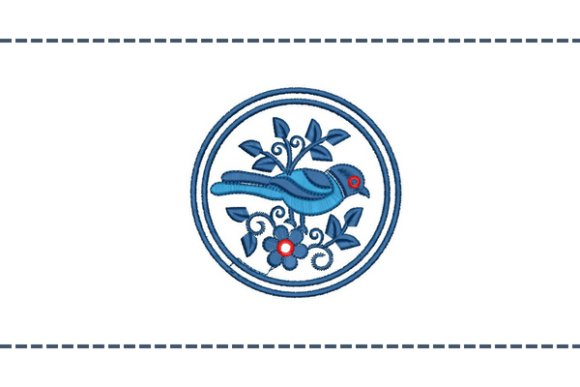
As an embroidery designer who has spent years digitizing and testing files for commercial use, I approach every new machine embroidery design with a critical eye. It is not enough for a design to look pretty on a screen; it must perform under the needle, withstand wear and tear, and elevate the brand it represents. Recently, I reviewed Sparrow, a creative bird Embroidery design categorized under Birds. My goal was to determine if this file is suitable for small business merchandise, branded patches, and professional apparel decoration.
First Impressions: Artistic Warmth Meets Professional Utility
The immediate visual impact of Sparrow is one of cozy, artistic charm. Unlike rigid corporate logos or overly complex illustrative pieces, this design carries a handmade, rustic elegance. For small business owners, particularly those in the lifestyle, boutique, or creative sectors, this aesthetic is invaluable. It feels friendly and approachable, which helps humanize a brand. When I imagine this stitched onto a canvas tote or a linen apron, it does not scream "mass-produced." Instead, it suggests care, craftsmanship, and attention to detail.
This specific vibe makes Sparrow an excellent candidate for businesses that want to project warmth. Think of local bakeries, independent florists, pet grooming studios, or artisan coffee shops. The design adds a layer of personality that generic clipart simply cannot achieve. However, from a technical standpoint, "cozy and artistic" often implies softer lines and potentially varied stitch directions. This requires careful handling during production to ensure the finished product remains crisp and professional.
Real-World Applications for Small Business Merch
When evaluating a digital embroidery file for commercial use, I always ask: where does it live best? Based on the description noting its suitability for decorative pillows, bedsheets, clothes, and home decor, Sparrow is versatile. Here is how I see it performing in real business scenarios:
- Branded Patches: This is perhaps the strongest use case. An embroidered patch featuring Sparrow can be sewn onto denim jackets, canvas bags, or uniform shirts. It serves as a subtle yet distinct brand marker without overwhelming the garment.
- Staff Uniforms and Aprons: For cafes and boutiques, staff attire is a walking billboard. Placing Sparrow on the chest pocket of an apron or the sleeve of a work shirt creates a cohesive look. It signals professionalism while maintaining the shop’s artistic identity.
- Tote Bag Design: Reusable bags are a staple for retail. The organic feel of this bird design complements natural fabrics like cotton or hemp perfectly, enhancing the perceived value of the handmade product.
- Customer Gifts and Packaging Accents: Smaller versions of this design can be used on thank-you cards with fabric elements, or as a small accent on packaging ribbons, creating a memorable unboxing experience.
Technical Considerations and Production Challenges
While the aesthetic appeal is high, any experienced embroiderer knows that beauty must be balanced with technical feasibility. The description mentions that the design comes with multiple options, but it does not specify exact stitch counts, file formats, or recommended hoop sizes. Therefore, before running a full production batch, you must verify these details.
Stitch density is a critical factor. If the design is too dense, it may cause puckering on lightweight fabrics like bedsheets or thin t-shirts. Conversely, if it is too sparse, it may lack definition on textured materials. I recommend testing Sparrow on the actual fabric you intend to use. For example, stitching on a thick denim cap requires different tension and stabilizer than stitching on a smooth polyester uniform shirt.
Another consideration is scale. While the design works well on pillows, shrinking it down for a small chest logo or a tiny patch requires caution. Fine details in bird feathers can merge or disappear if the design is reduced beyond its intended limits. Always check the minimum recommended size provided by the digitizer. If this information is missing, create a test stitch-out at your desired small size to ensure clarity.
Fabric and Stabilizer Selection
The success of Sparrow depends heavily on your choice of stabilizer and fabric texture. For stretchy fabrics like jersey tees, a cut-away stabilizer is essential to prevent distortion. For woven fabrics like canvas totes or aprons, a tear-away may suffice, but a light cut-away often provides a cleaner finish for intricate designs. Always consider the thread colors you plan to use. High contrast threads will make the design pop, while monochromatic schemes will offer a subtle, sophisticated look. Test both to see which aligns better with your brand identity.
Enhancing Brand Identity and Customer Trust
In the world of small business merch, consistency is key. Using a distinctive design like Sparrow across various touchpoints builds recognition. When a customer sees the same artistic bird on their tote bag, their coffee apron, and their social media graphics, it reinforces trust. It tells the customer that the business is established, thoughtful, and consistent in its quality.
Moreover, high-quality commercial embroidery elevates the perceived value of your products. A plain tote bag becomes a premium accessory when adorned with a well-executed embroidered design. This allows small businesses to command higher price points and differentiate themselves from competitors who rely on cheap heat transfers or screen printing. The tactile nature of embroidery adds a luxury feel that digital prints cannot replicate.
Practical Designer Notes for Implementation
Before you commit to using Sparrow for your next product launch, follow these practical steps to ensure success:
- Test in Black and White: Before selecting your final thread palette, stitch the design out in black thread on white fabric. This reveals the structure and clarity of the digitizing without the distraction of color.
- Check Hoop Size Compatibility: Confirm that the design fits within your machine’s hoop. If you are using a multi-needle machine, ensure the design aligns correctly with your template.
- Create a Printable Mockup: Use design software to place Sparrow on photos of your actual products. This helps visualize the final look and can be used for client approval or pre-launch marketing.
- Verify Commercial Licensing: The description does not explicitly state license terms. Always confirm that your purchase includes a commercial license if you plan to sell items featuring this design. Protect your business from legal issues by keeping records of your license agreements.
- Compare with Other Design Assets: Ensure that the style of Sparrow complements your existing logo and branding elements. It should feel like a natural extension of your visual language, not an outlier.
In conclusion, Sparrow is a promising addition to any embroidery designer’s library, particularly for those serving creative, lifestyle-oriented small businesses. Its artistic and cozy feel offers a refreshing alternative to sterile corporate branding. However, its success relies on proper technical execution. By paying attention to fabric choice, stabilizer type, and scale, you can transform this embroidery file into a powerful tool for building brand identity and creating high-value custom apparel and accessories. Always prioritize testing and verification to ensure that every stitched piece meets the high standards your customers expect.